
Alan Greenspan Died today. RIP
KEEP Bill Brandner and Phil Sorensen in your prayers for the next little while.
A high short float percentage signals a potential short squeeze, indicating that a significant portion of a stock’s tradable shares are sold short, which can lead to rapid price increases if positive news emerges.
What is Short Float?
- Definition: Short float refers to the percentage of a company’s tradable shares that are currently sold short but not yet covered. It is calculated by dividing the number of shares sold short by the total number of shares available for trading (the float) and multiplying by 100. For example, if a company has 1 million shares in its float and 300,000 shares are shorted, the short float is 30%
Why is Short Float Important?
- Market Sentiment Indicator: A high short float often indicates bearish sentiment among investors, suggesting that many believe the stock’s price will decline. Conversely, a low short float may indicate confidence in the company’s stability and growth potential .
- Potential for Short Squeeze: When a stock with a high short float experiences positive news or buying pressure, short sellers may rush to buy back shares to cover their positions, leading to a rapid increase in the stock price. This phenomenon is known as a short squeeze .
Key Metrics for Identifying Short Squeeze Candidates
- High Short Float Percentage: Generally, a short float above 20% is considered high and may indicate a potential for a squeeze, especially if combined with positive news or technical breakouts
- Days to Cover Ratio: This metric measures how long it would take for all short sellers to cover their positions based on the average daily trading volume. A higher ratio suggests that it may take longer for shorts to exit, increasing the potential for a squeeze
- Catalysts for Squeeze: Events such as strong earnings reports, product launches, or unexpected buying activity can trigger a short squeeze by prompting short sellers to cover their positions
Historical Examples
- GameStop (2021): The stock’s short float exceeded 100%, leading to a historic short squeeze that saw its price surge from under $20 to over $400 in a matter of days due to coordinated buying by retail investors
- Volkswagen (2008): A significant short squeeze occurred when the stock price skyrocketed as short sellers scrambled to cover their positions, demonstrating the dramatic effects of high short float on market prices
Conclusion
Monitoring short float percentages is crucial for traders looking to identify potential short squeeze opportunities. A high short float can signal both risk and opportunity, making it an essential metric in trading strategies. By understanding the dynamics of short float and its implications, traders can better navigate the complexities of the stock market.
Definition
Valuation serves as a critical tool for investors and analysts to assess the worth of a business or asset for informed decision-making in the financial market.
Key Takeaways
- Valuation determines an asset’s fair value using quantitative and subjective factors.
- Absolute valuation focuses solely on a company’s fundamentals, while relative valuation compares it to peers.
- The discounted cash flow method values an investment based on future cash flows.
- Different valuation methods have their own strengths and are suited to different industries.
- Valuation plays a crucial role in mergers, acquisitions, and financial decision-making.
Mag 7, Mag 19 ish = My Thoughts, trends approved say they are going to lose half their Value because they are spending their money on growth
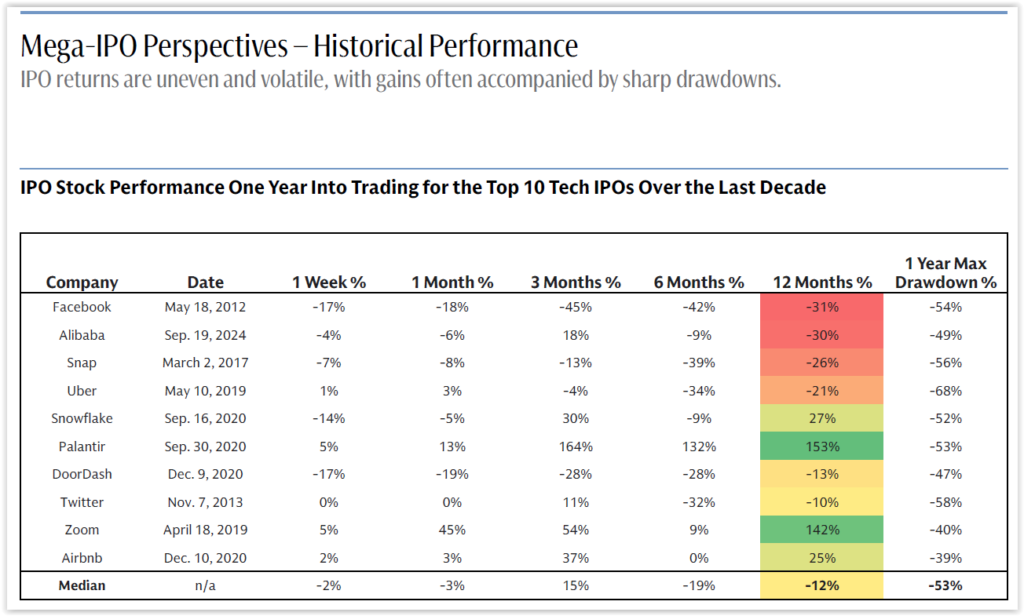
SPCX – IPO $135 Opening Price for the market ?= $176.04 Highest $225.64
Closed today $154.60
Why didn’t we get into SPCX and protect it = There are NO fundamentals, there were no options, and the fact that in a week options are available they are SO MISPRICED
Recession Worries for this year?

Earnings –
MU 6/24 AMC
https://www.briefing.com/the-big-picture
The Big Picture
Last Updated: 17-Jun-26 16:42 ET | Archive
Warsh signals new Fed era
Briefing.com Summary:
*Fed Chair Warsh signaled a hawkish pause, prioritizing price stability and offering no forward guidance on future rate moves.
*The SEP raised inflation forecasts and removed expected 2026 rate cuts, implying restrictive policy may persist longer.
*Fed Chair Warsh is reshaping Fed policy communication, emphasizing shorter statements, fewer signals, and stronger inflation-fighting credibility.
The policy directive issued coming out of the June 16-17 Federal Open Market Committee meeting made it clear that there is a new manager at the helm. It was a very brief statement, bereft of any language signaling a policy bias.
If there was any nod toward a bias, it might be in the directive’s last sentence: “The Committee will deliver price stability.”
A New Approach
Yes, that was the concluding line to a directive showing a 12-0 vote to leave the target range for the fed funds rate unchanged at 3.50-3.75%.
There was a nod toward the uncertainty produced by the conflict in the Middle East, yet there was also a nod to productivity growth and capital investment being strong.
This meeting also produced an updated Summary of Economic Projections (SEP), which showed the washing out of any rate cut in 2026, according to the median projection, which now sits at 3.8% versus 3.4% previously. That makes sense, however, considering the SEP also featured upward revisions to the projections for 2026 PCE inflation (3.6% from 2.7%) and core PCE inflation (3.3% from 2.7%) that are well above the Fed’s 2.0% target for inflation. Moreover, the projections for 2027 PCE inflation and core PCE inflation were bumped up to 2.3% and 2.5% from 2.2% and 2.2%, respectively.
Fed Chair Warsh did not have as much to say at his press conference as his predecessor, Jerome Powell, used to say, but he still said a lot. The market is having to come to grips with a new approach that is going to lack forward guidance and which, for now, is committed to delivering price stability.
Translation: There isn’t going to be a rate cut soon, not with PCE inflation and core-PCE inflation running north of 3.0% in actual and expected terms.
If anything, the dot plot suggested there is a much greater probability of at least one rate hike before the end of the year. Accordingly, the totality of the messaging, from the directive to the press conference, could be summed up as being a “hawkish pause.”
The initial reaction by the stock market was textbook. It didn’t like that message.
The initial reaction by the Treasury market was not too dissimilar. The 2-yr note yield, which is more sensitive to changes in the fed funds rate, went from 4.06% to 4.21%, while the 10-yr note yield, which is more sensitive to changes in inflation, went from 4.43% to 4.49%. This is known as a “bear flattener trade,” and it isn’t typically the stock market’s friend.
Briefing.com Analyst Insight
Mr. Warsh wasn’t out to make enemies today. His aim was to lay out a new vision for the Fed’s management of monetary policy, and he did just that, saying that he is appointing a task force in each of the five areas that are central to the broad conduct of monetary policy:
- Fed communications
- The Fed’s balance sheet
- The Fed’s use and reliance on existing data sources
- Productivity and jobs in an era of transformation
- The Fed’s inflation frameworks
The Fed is going to be sticking with its 2.0% target rate for inflation (for now), as he sees no reason to revisit that matter until the Fed has reestablished its commitment and ability to deliver on the 2.0% inflation objective, something he said the Fed has not done for five years.
It sounded like the market needs to get used to directives that are shorter and neutral in their presentation, that changes to the Summary of Economic Projections are likely, and that there may be fewer press conferences.
In other words, change is not only coming; it has already arrived.
Mr. Warsh is steering the policy ship now, and his first order coming out of port is not to pay lip service to the importance of delivering price stability but to actually deliver it. The market should appreciate that in due course if he can deliver, but it won’t necessarily be smooth sailing along the way if restrictive policy is the antidote.
—Patrick J. O’Hare, Briefing.com
Where will our markets end this week?
LOWER
DJIA – Bullish
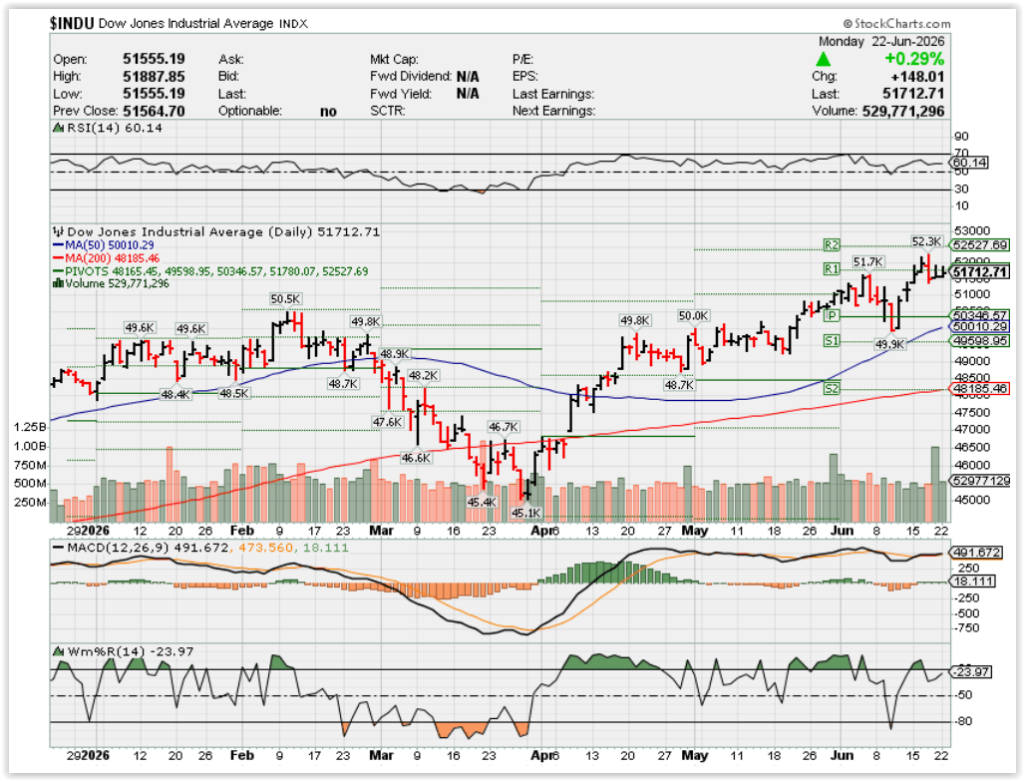
SPX – Bullish

COMP – Bullish

Where Will the SPX end June 2026?
06-22-2026 -1.50%
06-15-2026 -0.00%
06-08-2026 -0.00%
06-01-2026 +0.0%
Earnings:
Mon:
Tues: FDX, KBH
Wed: MU, FUL
Thur: BB, DRI
Fri:
Econ Reports:
Mon:
Tue:
Wed: MBA, New Home Sales,
Thur: Initial Claims, Continuing Claims, GDP, GDP Deflator, PCE, Core PCE, Personal Income, Personal Spending,
Fri: Michigan Sentiment
How am I looking to trade?
Rolled up OTM puts to closer to ATM or slightly OTM
Adding Covered Calls to positions for the summer doldrums
www.myhurleyinvestment.com = Blogsite
info@hurleyinvestments.com = Email
Questions???
Nvidia plans to raise at least $20 billion in its first debt sale since start of AI boom
Published Mon, Jun 15 20263:42 PM EDT
Updated Mon, Jun 15 20266:56 PM EDT
Key Points
- Nvidia is set to issue investment-grade corporate bonds for the first time since 2021, according to an SEC filing on Monday.
- Nvidia is looking to raise at least $20 billion, according to sources with knowledge of the matter.
- An Nvidia spokesperson said that the company intends to use the proceeds from the offering for general corporate purposes, including repayment and refinancing of existing debt.
Nvidia is aiming to raise at least $20 billion in debt, according to sources with knowledge of the matter, in the chipmaker’s first bond sale since the start of the AI boom.
In a filing with the SEC on Monday, Nvidia disclosed plans for the capital raise but didn’t include the dollar amount. Earlier this year, the chipmaker said it could raise up to $25 billion through issuance of unsecured commercial paper notes. The debt sale could end up closer to $25 billion, said the sources, who asked not to be named because the numbers aren’t public.
Nvidia shares rose 3.5% on Monday and are up about 14% this year.
The chipmaker is the latest tech company tied to the artificial intelligence trade to tap the capital markets. Alphabet announced plans earlier this month to raise $85 billion in equity-related offerings after securing more than $55 billion in fresh debt since November. And last week, Super Micro announced $7 billion in equity-related financing deals to help to cover the cost of hardware component purchases.
Amazon, meanwhile, raised roughly $54 billion in debt earlier this year in U.S. and European bond sales, and it announced plans last week to raise about $10 billion in a Canadian debt sale
Nvidia has about $7.5 billion in long-term debt and another $1 billion in short-term debt. In its last debt raise in 2021, Nvidia brought in $5 billion, with notes maturing as late as 2031. But Nvidia was a much smaller company then, generating revenue in fiscal 2022 of about $27 billion, compared with sales of $216 billion in fiscal 2026.
The launch of OpenAI’s ChatGPT in late 2022 was a major catalyst for Nvidia’s historic rate of growth that followed, as AI model companies and hyperscalers started gobbling up as many of the company’s graphics processing units as they could.
An Nvidia spokesperson said that the company intends to use the proceeds from the offering for general corporate purposes, including repayment and refinancing of existing debt.
Nvidia announced an aggressive capital return program in May, when it raised its dividend from a penny a share to 25 cents and said it planned to repurchase $80 billion in shares. Nvidia generated $49 billion in free cash flow in the latest quarter, up from $35 billion in the same period a year earlier, and reiterated plans in its latest earnings call to “return roughly 50% of free cash flow to shareholders this year.”
WATCH: Wedbush analyst says Nvidia is undervalued
Elon Musk becomes world’s first trillionaire as SpaceX begins trading on the Nasdaq
Published Fri, Jun 12 202612:02 PM EDTUpdated Fri, Jun 12 20264:42 PM EDT
Hayley Cuccinello@in/hayleycuccinello/@HCuccinello
Key Points
- SpaceX opened at $150 per share in its Nasdaq debut.
- Elon Musk’s stake in the company is worth more than $766 billion. Combined with his Tesla holdings, Musk’s net worth from both companies as of Friday is roughly $1.05 trillion.
- Musk’s coronation as the first person in history to be worth $1 trillion is likely to add fuel to the debate over wealth inequality and the rise in power of America’s richest tech founders.
In this article
Elon Musk becomes the world’s first trillionaire with SpaceX debut
Elon Musk just became the world’s first trillionaire.
With SpaceX opening on the Nasdaq at $150 a share Friday, the CEO of SpaceX and Tesla now has a stake in SpaceX that’s worth more than $766 billion. Combined with his Tesla stake, which is worth $280 billion, Musk’s net worth from both companies as of Friday was roughly $1.05 trillion.
The SpaceX IPO added more than $180 billion to Musk’s fortune. He is now worth more than the next five richest billionaires in the world combined. His personal net worth is larger than the national GDP of Taiwan, Ireland or Sweden.
Musk’s coronation as the first person in history to be worth $1 trillion is likely to add fuel to the debate over wealth inequality and the rise in power of America’s richest tech founders. Along with creating the world’s first trillionaire, the SpaceX IPO also minted thousands of new millionaires and several new billionaires among the employees and executives who own stock.
Shares of SpaceX gained roughly 20% Friday to close just above $160 apiece. That values the company at more than $2 trillion.
Shares of Tesla rose almost 2% to roughly $406 apiece.
Musk was first declared a billionaire by Bloomberg and Forbes in 2012, with the latter estimating his net worth at $2.4 billion at the time.
His fortune reached $20 billion in 2019 and skyrocketed the following year after a Tesla stock split, making Musk the world’s fifth centibillionaire — worth more than $100 billion — by Forbes’ estimate. In the six years since, Musk’s net worth has grown roughly tenfold.
His fortune has surged by a rate unmatched even by the decade’s previous “world’s richest person” titleholders: Amazon founder Jeff Bezos, Microsoft co-founder Bill Gates, and Bernard Arnault, head of the luxury empire LVMH.
Google co-founder Larry Page, currently worth an estimated $295 billion, according to Forbes, takes a distant second place among the ranks of the world’s richest people.
Page is followed by a second Google co-founder, Sergey Brin; Bezos, and Oracle founder Larry Ellison, each worth more than $200 billion as of Friday, according to Forbes.
That said, Gates’ fortune would be a whopping $464 billion had he not given so much away to philanthropy, per Forbes’ estimate.
Utah man says he can’t get customer service from Apple because artificial intelligence is calling the shots
By Matt Gephart, Sloan Schrage and Associated Press | Posted – June 10, 2026 at 11:00 a.m.
Utah man says he can’t get customer service from Apple because artificial intelligence is calling the shots
KEY TAKEAWAYS
- Chadd Player was charged twice by Apple for an audiobook and e-book.
- Apple’s AI denied his refund request; disputing through his bank led to issues.
- Player’s debit card was blacklisted by Apple after the dispute resolution.
SOUTH JORDAN — When Chadd Player bought an audiobook through the Apple Books app, he expected to pay just for that book. However, he wound up paying for the title twice.
“They charged me for both the audiobook and the regular book (e-book),” Player said.
The thing is, he said, this is the second time Apple has charged him for two formats of the same book when he only wanted one.
While the amount involved in this case, $35, isn’t exactly life-changing, the fight to actually get that money back kind of has been.
Player messaged Apple and requested a refund. It was denied. His appeal? Also denied. Eventually, he spoke to a supervisor who he said agreed the charge looked wrong, but that hasn’t changed anything.
“(I) was basically told that there wasn’t anything they can do,” he said. “Their little AI process made the decision. They can’t override it.”
Player said an Apple rep told him his best option was to dispute the charge through his bank, which he did. He got his money back just like that. So, end of story, right? Nope!
Days later, when he tried to use Apple Pay at a store, his purchase didn’t go through. Turns out, Apple had kicked his debit card off the account.
“I reached out again,” he said. “Was on the phone a good hour and a half, and basically what I was told is if you dispute a charge, then at that point that account becomes blacklisted.”
No more buying audiobooks, e-books he doesn’t want or anything else.
“I was a little hot, a little frustrated. Didn’t know if there was anything else I could do,” he said. “That’s when I reached out to you.”
The KSL Investigators reached out to Apple about Player’s case. We asked about the double charges, the refund process and specifically whether humans can ever override a decision made by artificial intelligence.
Despite our multiple attempts through multiple channels, we did not hear back, not even from an AI chatbot.
Now, there is no federal law that states Apple must accept your debit card. It’s not a protected right. But the feds do say consumers have the right to have their disputes heard by merchants when they are double-billed or charged the wrong amount.
The Fair Credit Billing Act spells out the dispute process when the transaction was done by credit card. And Regulation E under the Electronic Funds Transfer Act gives debit card users a way to report errors to their financial institution.
What is less clear is whether a merchant can then say: “Fine! You win the dispute, but we absolutely refuse to take your card from now on.”
That’s the part Player said feels backwards.
“You shouldn’t be punished for that,” he said.
This is not the first time in recent weeks I have a reported on a consumer being told by a company, “Yeah, we can see there’s a problem, but we can’t help you. We can’t override what the computer says.”
It’s something both consumers and companies are going to need to figure out as AI-driven “customer service” becomes more widely adapted.
The Key Takeaways for this article were generated with the assistance of large language models and reviewed by our editorial team. The article, itself, is solely human-written.
Box Elder County poll finds that large majority, 71% of respondents, oppose data center plans
By Tim Vandenack, KSL | Posted – June 10, 2026 at 8:05 a.m.
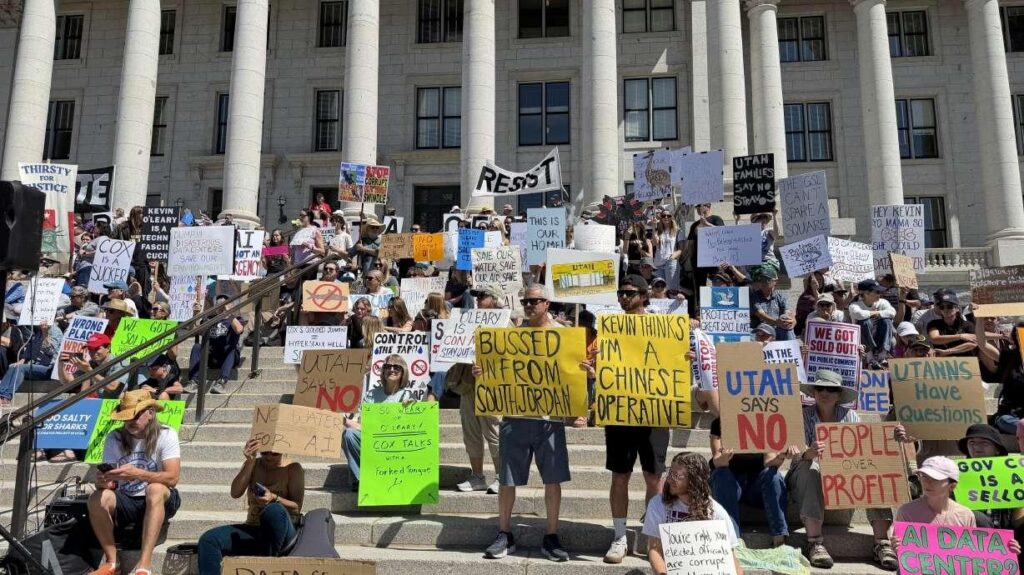
People rally at the Utah Capitol on May 23 against a proposed data center project in Box Elder County. A Box Elder County poll finds that 71% of respondents oppose the data center proposal and that 74% disapprove of the process followed to permit it. (Cassidy Wixom, KSL)
KEY TAKEAWAYS
- In a new poll, 71% of Box Elder County residents surveyed say they oppose a proposed data center.
- Meanwhile, 74% said they disapprove of the approval process followed, not giving the public a vote in the matter.
- Meanwhile, Box Elder County officials are considering a six-month moratorium on new data center proposals.
BRIGHAM CITY — A poll of Box Elder County residents finds that large majorities oppose the data center proposal in the county and think the public should have more say on the initiative’s future.
The poll was commissioned by Stewardship Utah in partnership with Box Elder Accountability Referendum, or BEAR, which opposes the data center plans. However, it was carried out by an independent firm, Change Research.
The results “speak for themselves. Frankly I was surprised,” David Garbett, the Stewardship Utah co-director, said Tuesday, when the findings were released. He had suspected most in Box Elder County opposed the project but wasn’t expecting the level of opposition shown by the numbers:
- 71% of respondents said they oppose the plans while 23% said they support them.
- 74% of those polled said they disapprove of the means of approval of the measures allowing the plans to go forward, by Box Elder County commissioners without a vote of the public, while 22% said they approve.
- 69% said they would sign a petition to create a ballot question asking voters if the County Commission actions allowing the plans to proceed should be upheld or repealed while 21% said they wouldn’t.
“Box Elder County residents are paying attention, they are deeply concerned about the project, and they believe voters — not county commissioners alone — should have the final say. Their opposition is overwhelming,” Garbett said in a statement.
The polling of 513 registered voters took place from May 28-30, before Kevin O’Leary, the Canadian businessman spearheading the plans, revealed he’d scale back the size of the project area in response to pressure from Senate President Stuart Adams.
Garbett, though, doesn’t think the smaller footprint would change the poll results. Large majorities of respondents indicated concern with the process followed in allowing the project to proceed and with the tax incentives O’Leary Digital, the business behind the plans, would benefit from, he noted.
The long-range proposal calls for development of a data center and up to 9 gigawatts of power-generating capacity to serve the operation. Plans originally called for a project area spread over 40,000 acres, but that has been scaled back to 20,000 acres, with actual development only to occur on about half of that.
The board of the Military Installation Development Authority, a state entity, approved a partnership with O’Leary Digital on April 24 to pursue the initiative. Box Elder County commissioners subsequently approved two resolutions on May 4 that allow the project to proceed, though the officials stress that they feel they had limited say in the matter given the April 24 action. As they have described it, the best they could do was insert provisions into the accords through their May 4 votes protecting the county and establishing guidelines for development.
Garna Mejia, KSL
Whatever the case, Box Elder County residents by and large don’t support the plans due in part to worries about the project’s impact on water availability and air quality, said Brenna Williams, part of BEAR. The group has sued Box Elder County, seeking reversal of the county’s June 3 determination that the two May 4 resolutions can’t be targeted for repeal in a referendum, as BEAR seeks.
“We’ve known, speaking with our friends and neighbors, that Box Elder County does not support this data center or how it came to be approved,” she said.
Some 57% of poll respondents said they’d vote against any commissioner who voted for the measure. Two of the three commissioners, Lee Perry and Boyd Bingham, face reelection this year.
Six-month moratorium
In response to the uproar caused by the project, Box Elder County commissioners on Wednesday are to consider possible implementation of a six-month moratorium on consideration of additional data center proposals. The time would be used to research, develop and implement regulations governing data center creation.
“While Box Elder County did not approve the Stratos data center itself, this circumstance helped identify gaps in the existing land use code and the need for more defined standards moving forward,” the county said in a press release Tuesday. “Box Elder County officials will use this temporary moratorium to determine if or where future developments would be permitted. If a decision is made to allow for future projects, the county would draft strict, objective development standards to guide future applications.”
Any new guidelines would not apply to the O’Leary Digital proposal, called the Stratos Area Project.
The Key Takeaways for this article were generated with the assistance of large language models and reviewed by our editorial team. The article, itself, is solely human-written.
Fed Chair Warsh expected to withhold ‘dot’ from central bank’s interest rate outlook
Published Tue, Jun 16 20262:40 PM EDTUpdated Wed, Jun 17 202611:23 AM EDT
Jeff Cox@jeff.cox.7528@JeffCoxCNBCcom
Key Points
- The central bank’s Federal Open Market Committee on Wednesday is set to release its “dot plot” update of where individual officials expect interest rates to head.
- However, most Fed watchers on Wall Street expect new Chair Kevin Warsh won’t participate, either because he feels he’s not ready or simply because he doesn’t like the dot plot.
- Warsh objects to the grid and other methods of forward guidance because he believes they limit the Fed’s decision-making capabilities.
The Warsh Fed playbook
When the Federal Reserve wraps up its policy meeting Wednesday, one important thing could be missing — a dot.
The central bank’s Federal Open Market Committee is set to release its quarterly update of where individual officials expect interest rates to head this year and through 2028 and beyond. Markets closely parse the grid, known more commonly as the “dot plot,” for information on how Fed officials view the economy and its impact on monetary policy.
However, most Fed watchers on Wall Street expect new Chair Kevin Warsh won’t participate, either because he feels he’s not ready after having only been in office since May 22 — or simply because he doesn’t like the dot plot and its implications for “forward guidance.”
Declining to submit a dot would counter some 14 years of post-financial crisis practice for the Fed, and risk alienating other FOMC officials who favor the way it helps them communicate with the public. However, it also could be an effective first step for a central bank leader who has vowed fundamental changes for how the institution operates.
“It seems to me fairly likely that he doesn’t want to submit a rate forecast,” said Bill English, former head of monetary affairs at the Fed and now a professor at Yale. “There may be others on the committee who don’t particularly like the dot plot, who might be willing to do that, too.”
‘The Fed’s human’
Warsh objects to the dot plot and other methods of forward guidance because he believes they limit the Fed’s decision-making capabilities.
The dot plot belongs to a larger set of data called the Summary of Economic Projections, which also includes the outlook for unemployment, inflation and gross domestic product. The SEP is updated quarterly and includes the median outlook for each category and as such is not an official forecast but merely the midpoint of the range among FOMC meeting participants.
Bank of America economist Aditya Bhave expects Warsh won’t submit a dot, while Goldman Sachs economist David Mericle said in a note that, “We assume that Warsh will not submit dots in light of his past criticism of forward guidance, but we are not sure.”
During his confirmation hearing in April, Warsh cited the SEP as part of a broader problem at the Fed with overcommunication. Specifically, he cited the Fed’s mistaken “transitory” call on inflation in 2021-22 that led to a series of aggressive rate hikes to combat the biggest price surge in 40 years.
“The Fed tells the whole world what their dots are going to be, what their forecasts are going to be,” he said then. “Well, the Fed’s human. Then they hold onto those forecasts longer than they should. I think if the Fed were to wait until it gets into a meeting before making a decision, that incremental deliberation can keep the central bank from compounding its errors. I think these are big changes that are needed.”
Markets are watching
Still, markets hinge on the dot plot and the rest of the SEP, and may have to learn to live without it if Warsh has his way.
“To me it never made a lot of sense that [the SEP] at times was market moving, because its accuracy has been at best middling,” said Liz Ann Sonders, chief investment strategist at Charles Schwab. “But it is an avenue through which the Fed expresses a view, and the market tends to move on those views.”
Economist Claudia Sahm cautioned that should Warsh and others not participate, it could send the wrong message to markets. Specifically, she said investors could take the news to mean that Warsh is trying to “hide the hawkish shift” in the committee to fight inflation with elevated rates.
“Neutralizing the SEP this week might address some of Warsh’s concerns, but it would almost certainly create new ones,” wrote Sahm, chief economist at New Century Advisors. “A Fed that appears to be concealing its own debate could look complacent about inflation, which is exactly the credibility it can’t afford to lose.”
This meeting is expected to be an interesting test of Warsh’s new communications strategy.
In addition to his views on the dot plot and SEP, markets also will be watching for changes to the post-meeting statement and his views on whether he will continue to hold news conferences after each meeting.
SpaceX options debut signals ‘expensive’ and ‘dangerous’ bets, strategist says
Published Tue, Jun 16 20269:48 PM EDTUpdated Tue, Jun 16 20269:53 PM EDT
Key Points
- Current pricing implies about a 15% probability that SpaceX rises another 50% by September: Susquehanna
- There’s roughly a 13% chance the stock falls 50%.
- Investors have to evaluate whether the company can live up to the initial enthusiasm.
SpaceX options on their first day of trading showed about a 15% chance for the stock to rise by 50% and a similar possibility that it loses half its value in the next three months, according to Susquehanna.
The stock saw the fifth-highest call volume of the day, Susquehanna strategist Chris Murphy wrote in a note Tuesday.
“The largest trades increasingly looked like hedges tied to future supply risk,” Murphy wrote. “Upside calls reflect demand for another sharp move higher, while downside puts reflect concern around lock-up supply, valuation risk, and the possibility that the initial post-listing enthusiasm fades. The result is a difficult trading setup. The tails look too expensive to buy, but they also look too dangerous to sell.”
SpaceX’s stock rose for another day after its initial public offering on Friday — it’s up about 50% from its IPO price — and its market cap has surpassed Amazon and is close to Microsoft’s valuation. The options reflect a vigorous debate about whether the company can live up to the initial enthusiasm.
Current pricing implies about a 15% probability that SpaceX rises another 50% by September, while also implying roughly a 13% chance the stock falls 50%, Murphy wrote.
Investors are “trading the story, they’re trading the action, they’re trading the excitement, they’re trading Elon Musk, but at some point the rubber meets the road in terms of the fundamentals having to match up with that excitement,” Peter Boockvar, chief investment officer at One Point BFG Wealth Partners, said on CNBC’s “Squawk Box Asia.”
“If they can deliver, then the upside is certainly there, but the valuation is so enormous that the company is going to really have to show itself in growing into that valuation,” he added. “I think that that’s going to take at least a couple of years.”
https://www.ksl.com/article/51513971/invest-like-a-woman-female-investing-habits-examined
Invest like a woman: Female investing habits examined
By Peter Rosen, KSL | Posted – June 20, 2026 at 4:17 p.m.
KEY TAKEAWAYS
- A 2021 Fidelity study shows women earn 0.4% higher returns than men.
- Women investors tend to research more and exhibit less overconfidence than men.
- Financial planner Tracey Dean advises having a plan and sticking to it.
SALT LAKE CITY — If you’re worrying about dark clouds lurking over the stock market — inflation, the price of oil, the domination of big tech — and are unsure what to do, you might consider this advice: Invest like a woman.
In a 10-year period, women, in a 2021 study by Fidelity, earned .4 percent higher returns than men. That’s not insignificant when you consider a million dollars invested for 25 years at 7.4% earns about a half-million dollars more than the same amount invested at 7%.
Westminster University instructor Matt Crouse, who teaches a finance class that manages the D.A. Davidson Student Investment Program fund there, says he definitely sees a difference between the genders.
Women, he says, tend to do more research and tend to exhibit less overconfidence.
“Overconfidence is one of the worst investing traits,” Crouse says.
Overconfidence, he says, tends to lead to overtrading, which can cost you in taxes and trading fees.
The overconfident trader tends to invest in riskier stocks.
“Women are more cognizant of risk,” Crouse said.
That seemed to be the case with students and Macie Edwards who, at the time KSL spoke with them, were concerned that the student investment fund had too much stock (36%) in Google’s parent company, Alphabet.
It made the two women nervous.
“(It) does present downside risk,” Edwards said.
The two had proposed investing in two healthcare companies to diversify the portfolio.
“In general, guys are more open to take risks, like high-risk investment,” said student Roman Frost, while women’s decisions are “based on more facts and not driven by emotions and high returns.”
Financial planner Tracey Dean, speaking at the Utah Women’s Investing Club, a Mavin District-based lecture series, told her audience that women, when it comes to investments, aren’t swayed as easily by their emotions and tend to stay the course.
“So, we don’t panic in (the stock market crash of) 2008. We hold and then 2009, what happened? It hit the roof. We did not collect all of our gains. It took 10-12 years to get back to normal,” she said.
According to a 2008 study by the Nationwide Retirement Institute, 8% of female investors liquidated their retirement funds, compared with 15% of men.
“Males typically want to chase returns,” Dean said. “I have this conversation in my office all day long. That we have, you know, husband and wife. (Men) want to be more aggressive, they want to chase returns. But you know what they’re not talking about? They’re not talking about their losses.”
Dean said to consider how recovery from a 50% loss needs can only happen with a 100% return.
Matt Crouse, an experienced investor, said even he is not immune to overconfidence.
“Oh yeah, I see these traits in myself,” he said.
After a successful trade, he said, “You get a rush of adrenaline, like you feel it feels good.”
“After successes, I tell myself don’t get overconfident because usually when I do, I get humbled,” he said.
Dean offered this advice: “I literally have one word and it’s have a plan, make a plan, stick to plan. And if we have to deviate, that’s because we have an issue come up.”
In other words: invest like a woman.
Test Drive: The 2026 Ford Explorer Tremor is the best Explorer yet
By Jason Bell | Posted – June 20, 2026 at 11:30 a.m.
Ford continues to improve the Explorer lineup, and this one is a keeper (Jason Bell)
While I’ve always been a fan of the current-generation Explorer, I’ve never been able to confidently say which one I would buy.
The new Tremor trim answers that. It combines excellent power, improved off-road capability, rugged off-road looks and a long list of luxury touches and features into a package that is hard to say no to.
Jim Farley, Ford’s CEO, said in a recent interview with Car and Driver of their off-road products, “I’d say that the biggest surprise of Ford is the off-road stuff … I just never expected that it would turn into such a profitable, expansive brand image for us. Between the Bronco, the Raptors and the Tremors, we can’t make enough of the stuff around the world.”
It’s a good move. Leaning into their Tremor and Raptor trims, even in models like the Explorer I tested, just makes them more appealing to someone like me who needs a family hauler but also appreciates capability, power and at least some mild ruggedness.
After spending several days with the 2026 Ford Explorer Tremor equipped with the Tremor Ultimate Package and Tremor Convenience Package, I came away thinking this isn’t just the most interesting Explorer in the lineup — it’s the one to buy for most people.
Here are just a few reasons:
The available 3.0-liter EcoBoost changes everything
One of the headline features of the Explorer Tremor is the availability of Ford’s potent 3.0-liter twin-turbocharged EcoBoost V6. This engine is a stunner. With 400 horsepower and 415 pound-feet of torque, you will be leaving every other family hauler in the dust, because it seriously makes this rig boogie. And it’s not just fast for speed’s sake — the motor transforms the Explorer into something that feels supremely confident on city streets and the highway.
Power comes on effortlessly. You don’t need to wring it out to access passing power — just a gentle press of the throttle is usually enough to have you fly by whatever you need.
This motor is without a doubt one of the biggest advantages of the Tremor trim — but keep in mind, it’s only available with the optional Tremor Ultimate Package.
Rugged looks without the usual trade-offs
I think the Tremor trim is the best-looking Explorer variant on sale today, especially in my tester’s Vapor Blue color.
The Tremor stands out from other Explorers with a unique front-end treatment, bronze accents, all-terrain tires and a more purposeful stance and slightly increased ground clearance. It looks just rugged enough, and it comes together in an eye-catching, cohesive manner.
What impressed me most was that the rugged appearance and beefier tires didn’t come with the usual penalties. Many off-road-focused SUVs feel busy and unsettled on the pavement, but the Explorer Tremor rode exceptionally well and felt very firmly planted. It soaked up broken pavement — including those awful I-215 potholes — with total composure, and I didn’t have to worry about bending a wheel thanks to the thicker side-walled tires.
For buyers who spend 90% of their time on the pavement but still want something that looks — and is — adventure-ready, Ford has done a great job here.
Technology that continues to impress
With all the fancy packages included in the tester, just about every modern technology feature was there — including Ford’s excellent hands-free highway tech, BlueCruise. On compatible highways, the hands-free system handled lane centering and speed management, including lane changes, smoothly and confidently. These systems can sometimes feel overly cautious or ping-pong within the lane, but BlueCruise felt natural and predictable.
For anyone who regularly drives for longer stretches on the freeway, the BlueCruise feature genuinely makes those trips better.
I agree with Zach Butler of TFL Car when he wrote, “As far as I’m concerned, the 2026 Ford Explorer Tremor is the most compelling option since the old days of those truck-based models. This may still ride on a unibody platform, but this is still the most refined Explorer to date. As I wrapped up my day-long journey back in Denver, I didn’t have any backache, and I wasn’t even really tired. Ford still hits the comfort mark well with this generation, and BlueCruise 1.5 truly does take a lot of the fatigue out of long-distance stretches where you’d otherwise have to hang onto the wheel for hours on end.
Comfortable, quiet and spacious cabin
Inside, the Tremor feels much closer to a near-luxury SUV than what you might be expecting from the nameplate. There are excellent materials everywhere, and the perforated blue suede seats in the first and second rows were a standout.
Speaking of seats, they are, in typical Ford fashion, very comfortable for long stretches. Even with the all-terrain tires, road noise was well controlled and the cabin has a solid, well-built feel. Ford’s latest infotainment system, though mostly button-free, is quick and intuitive and the Tremor Ultimate Package and Tremor Convenience Package add pretty much all the features buyers could want, including ventilated front seats.
It’s spacious, too. There’s plenty of room for four adults to travel comfortably, and while the third row is usable for two occupants, it’s probably best reserved for small children or very short trips with adults. That’s true of other mid-size three-row SUVs, and the Explorer is no exception.
Legitimate capability
The cool thing about the Tremor trim here is that it’s not just an appearance package. The Tremor gains increased capability for dirt roads, snow, moderate trails and the kinds of adventures many Utah families actually do most of the time. For camping trips, ski weekends, trailheads and exploring some of Utah’s more mild backroads, the Explorer Tremor should be plenty capable.
That said, it’s not an adequate replacement for a true off-roader, like the Bronco. I’d almost like to see even more of a lift and even larger all-terrain tires here on the Explorer Tremor, just to take its capability up one more notch.
Not cheap — but what else could you want?
The sticker price for this loaded tester was nearly $65,000.
That’s a lot of money; however, once you consider what’s included — the 3.0-liter EcoBoost, Tremor hardware, BlueCruise, premium tech, lots of comfort and safety features and strong all-weather capability — the value proposition becomes more compelling. And, if you factor in Ford’s Employee Pricing event that is happening as of this writing, the Explorer Tremor becomes pretty hard to turn down.
In other words, if an adventure-leaning three-row family hauling SUV with a lot of power is what you want, look no further than the Explorer Tremor.
Zach Butler of TFL Car said it well when he wrote, “Beyond the tech and comfort, I like the way the Explorer Tremor looks … Here, a little bit of the Bronco and off-road DNA from the brand’s Tremor-branded trucks offers some dirt-worthy cred we haven’t seen from Explorer in a good long while (even with the recently deceased Timberline). It’s a well-rounded option, and one that should see you and your family through the adventures to come.”
The bottom line
Of all the current Explorer variants, the 2026 Ford Explorer Tremor is easily my favorite, especially with the larger motor.
It’s fast, comfortable, quiet, tech-forward and capable enough. It looks good, rides better than expected and feels tailored for the way many Utah families actually use an SUV.
Yes, the fuel economy suffers, and the price climbs quickly with options. And, if your goal is tackling Utah’s backcountry, the Bronco is still the better choice.
But, for buyers wanting one vehicle that can comfortably handle commuting, family duty, road trips, adverse weather and weekend adventures, the Explorer Tremor checks every box.
For my money, this is the Explorer I would buy.
About the author: Jason Bell is a lifelong car enthusiast who loves sharing his passions as a teacher, podcaster and automotive journalist. He is an accredited member of the Rocky Mountain Automotive Press. You can contact him at jasonbellcars@gmail.com or on his YouTube channel.
Investors see Micron earnings as pulse check of AI rally momentum
By Laura Matthews, Reuters | Posted – June 20, 2026 at 10:37 a.m.
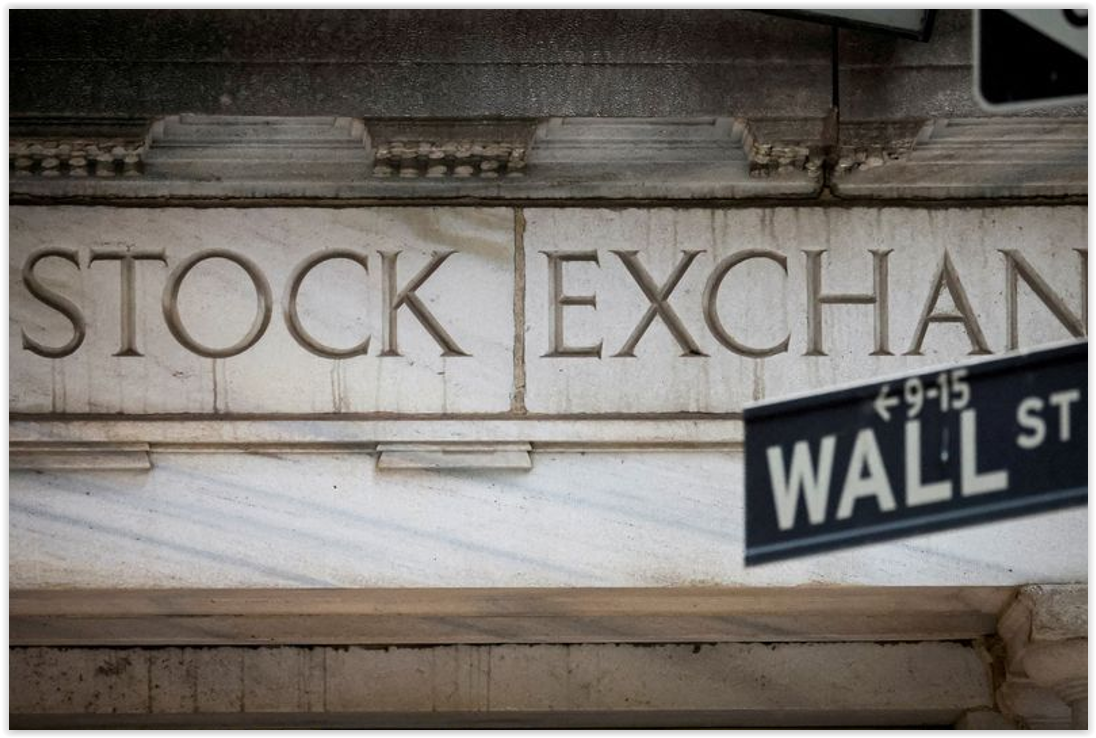
The Wall Street entrance to the New York Stock Exchange is seen in New York City on Nov. 15, 2022. (Brendan McDermid, Reuters)
KEY TAKEAWAYS
- Micron’s earnings report on June 24 will help gauge AI-driven chip demand.
- Investors seek signs of AI rally sustainability amid high stock valuations.
- AI spending is projected to exceed $700 billion this year, boosting tech stocks.
NEW YORK — Investors are seeking signs that the U.S. stock market rally fueled by artificial intelligence has more life left in it, and the upcoming Micron Technology earnings will check the pulse of chip demand to see if it is still accelerating.
Despite a sharp mid-week selloff, major U.S. stock indexes are hovering near all-time highs, supported by robust corporate earnings driven by an AI investment boom and relief from the Iran war.
Micron’s shares are up 298% this year, and the memory chip maker’s quarterly report on Wednesday, June 24, will help investors gauge whether the surge in spending on data centers and the resulting profits generated across the semiconductor sector can continue to surprise to the upside.
“There’s been a lot of momentum here recently,” said Andy Pratt, director of investment strategy at Burney Company. “This AI trend is something that’s continued, and honestly, what we see with this revenue surprise signal that we monitor is there’s still a lot of juice.”
Apple has agreed to partner with Intel to design and manufacture chips in the U.S., which could significantly boost the chipmaker’s turnaround efforts. That helped to lift the S&P 500 nearly 1% so far this week, on pace for a second weekly gain.
Meanwhile, the Philadelphia SE Semiconductor index hit a record high and was last up 7% for the week.
Looking for reinforcements
The stakes are high. Micron’s earnings come at a time when valuations are elevated and investors are questioning whether the rally is overextended. Any indication of underlying demand and continued AI-related spending strength could give investors confidence to keep stoking the rally.
Micron’s earnings are “setting up as a classic positive feedback loop,” said Steve Kolano, chief investment officer at Integrated Partners. “That really seems to be kind of the only game in town. … If you look at the book to bill of semiconductor companies right now and the backlog, the demand is just through the roof in relation to chip capacity.”
Big Tech has signaled that AI spending is not slowing, set to rise past $700 billion this year from $400 billion in 2025.
Macro backdrop still looms
Although the AI narrative has dominated markets, underlying macroeconomic concerns remain. The Federal Reserve’s preferred inflation measure is due next week. So, too, is a final reading on first-quarter GDP. Both reports will provide checks on the health of the U.S. consumer and economic growth.
Second-quarter earnings growth for the S&P 500 is estimated at 22.9%, down from 29.3% in the first quarter, according to data provided by Tajinder Dhillon, head of earnings research at LSEG.
Drew Matus, chief market strategist at MetLife Investment Management, said strong equity markets have been one of the main supports for consumers, and anything that challenges the AI trade or the continued rise in stocks is being closely watched.
“It has not just been market effects but macroeconomic effects at this point,” he said. “We’re definitely worried about the wealth effect going away and what that might mean.”
For now, the consensus is that the AI trade remains intact, with little sign of slowing. Newly public SpaceX has reinforced that momentum, and Nasdaq’s inclusion of more AI and chip infrastructure names like Astera Labs and CoreWeave will force index funds to buy in.
“The way I would view this is,” said Burney’s Pratt, “you could continue betting on these companies kind of until proven otherwise.”
The Key Takeaways for this article were generated with the assistance of large language models and reviewed by our editorial team. The article, itself, is solely human-written.
